
I've always loved the satisfying clatter of a box full of LEGO bricks. But let's be honest, digging through heaps of pieces to find that one elusive 1x2 plate is a special kind of madness. It's even trickier when you're searching for a tiny red 1x1 tile in a sea of red bricks—much harder than finding it in a box of just 1x1 tiles. That's when it hit me: sorting by color is great for small sets, but when you're dealing with thousands of pieces, sorting by shape becomes essential.
So, I set out on a mission: build a machine that can sort LEGO bricks automatically by shape. Simple, right? Well, not exactly. It turns out that creating a brick sorting machine is like assembling a LEGO set without instructions—challenging but incredibly rewarding.
In this post, I'll walk you through the five basic components that make up a brick sorting machine. Each part plays a crucial role in turning a chaotic pile of bricks into neatly organized categories. Let's dive in.
1. Feeder
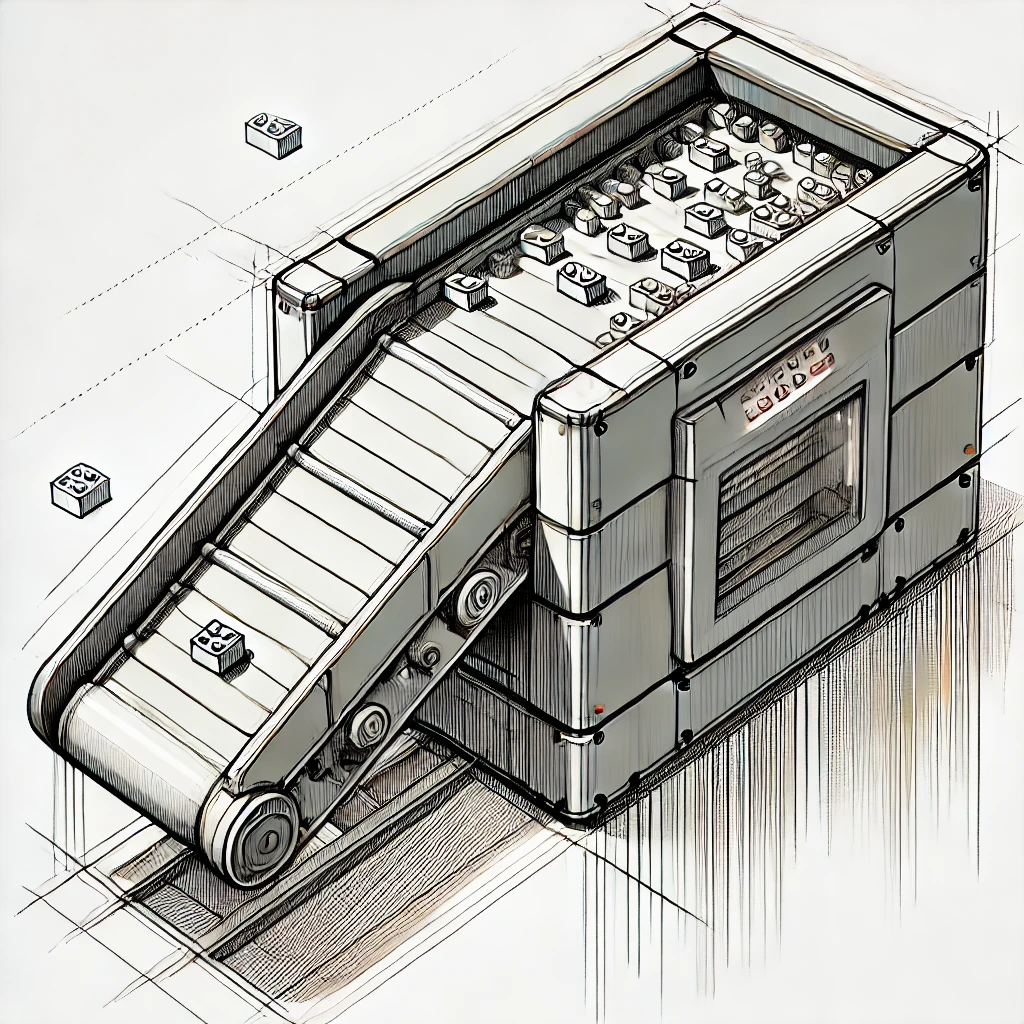
First up is the Feeder. Think of it as the machine's breakfast routine—it takes in the bulk of the bricks and gradually feeds them into the system. The key here is to manage the flow. Too many bricks at once, and you risk jamming the entire machine; too few, and you're not sorting efficiently. Designing a feeder that strikes this balance is a puzzle in itself.
2. Separator
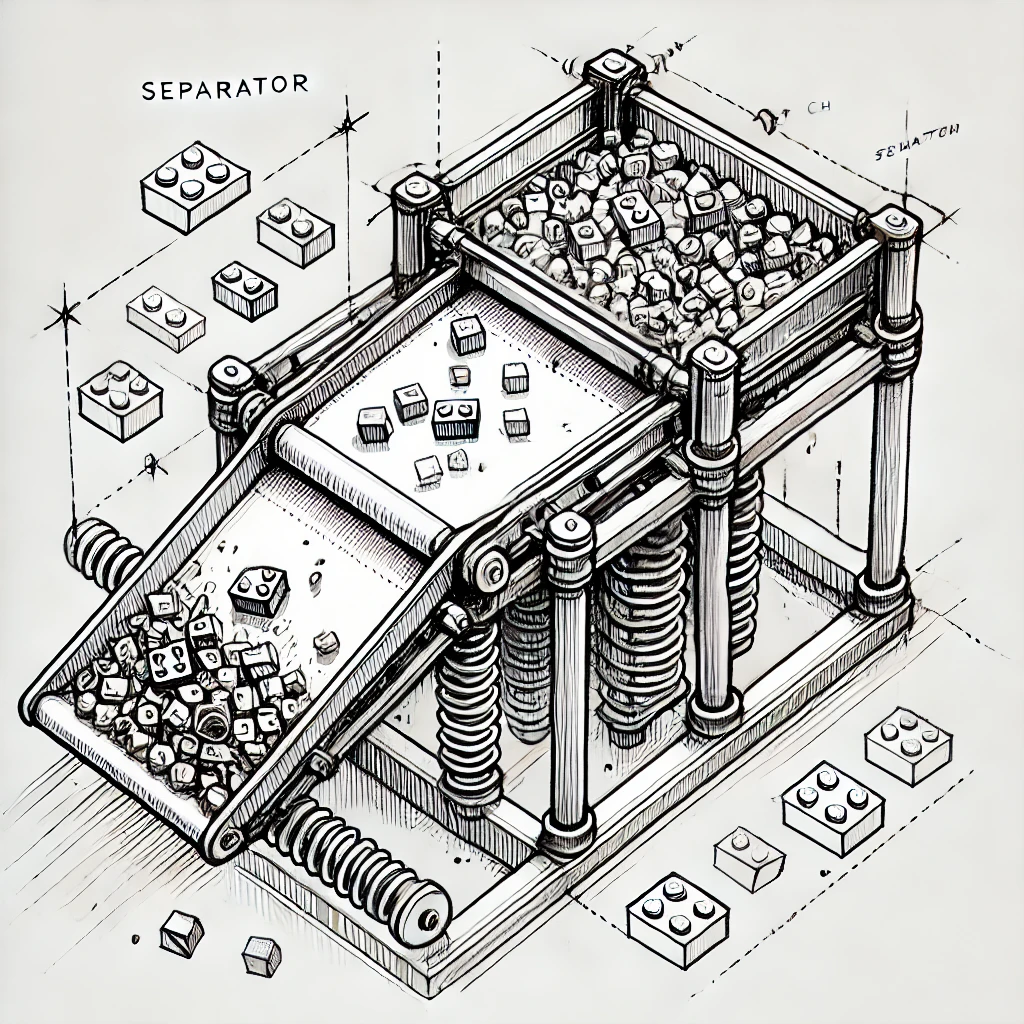
Once the bricks are fed into the machine, they encounter the Separator. This component's job is deceptively simple: take a tangled mess of bricks and separate them into individual pieces, delivering them one by one to the next stage. Sounds easy until you consider the vast variety of LEGO pieces.
Separating LEGO bricks is like herding cats—some are tiny like 1x1 plates, others are bulky, and some love to cling together (looking at you, rubber wheels). The separator has to handle all these variations without missing a beat. I've seen different approaches out there, from vibrating plates to rotating drums, each with its own set of challenges and quirks.
3. Classification

With individual bricks neatly lined up, we move on to Classification. This is where the machine gets a bit of a brain, identifying each piece and deciding where it belongs based on shape. Most systems rely on visual recognition using cameras. But capturing the right image isn't as straightforward as pointing a camera and clicking.
You need strong, consistent lighting that's isolated from environmental factors—no flickering, no shadows. This allows the camera to use very short exposure times, minimizing motion blur as bricks zip by. Sometimes, parts are hard to distinguish from certain angles, so capturing multiple perspectives becomes essential. It's a dance between hardware and software, optics and algorithms.
In addition to the input, you'll need a model to identify the pieces and data to train the model on.
4. Sorting
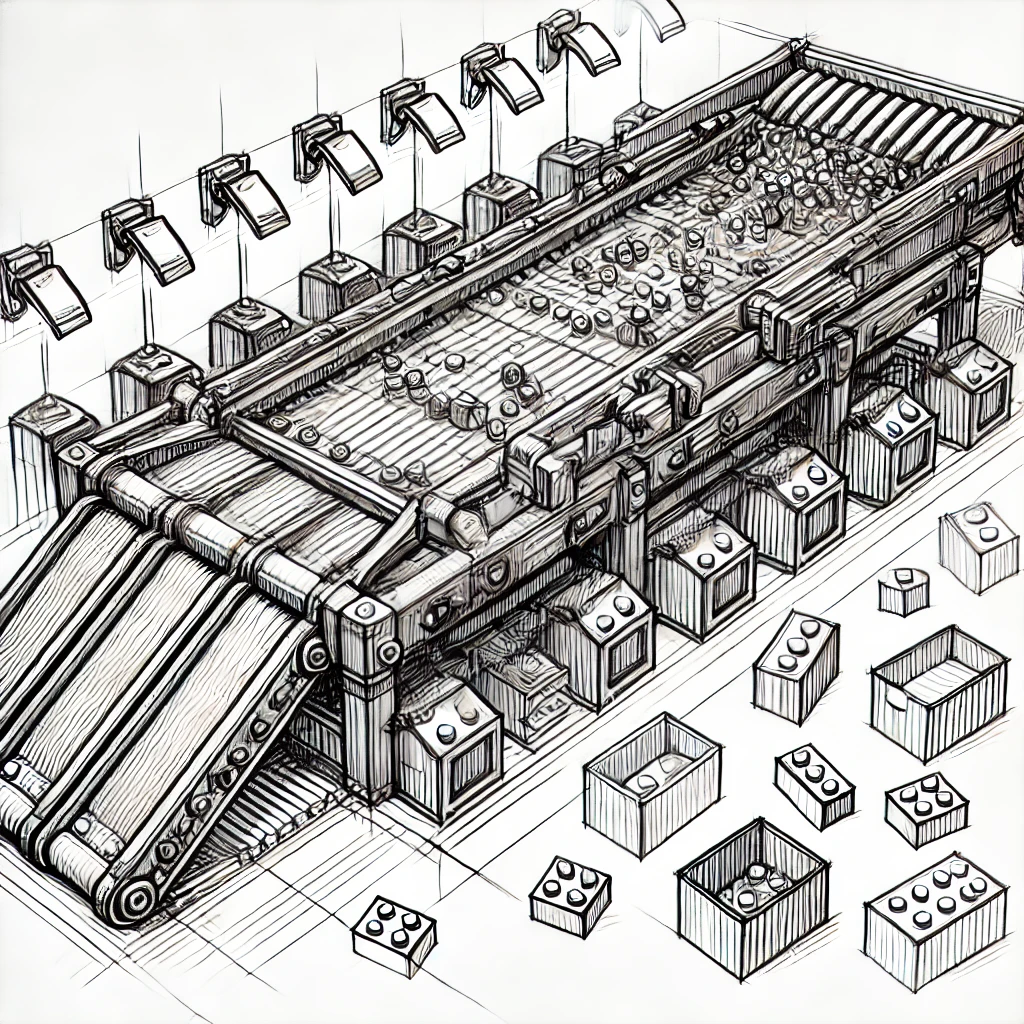
After a brick has been identified, it's time for Sorting. This is the action hero of the machine—the moment where decisions turn into movements. Based on the classification data, the machine directs each brick into the appropriate bin or channel. The mechanics here can range from simple flaps to complex robotic arms. Precision and timing are everything; a misfire could send a brick into the wrong bin, throwing off the entire system.
5. Controller
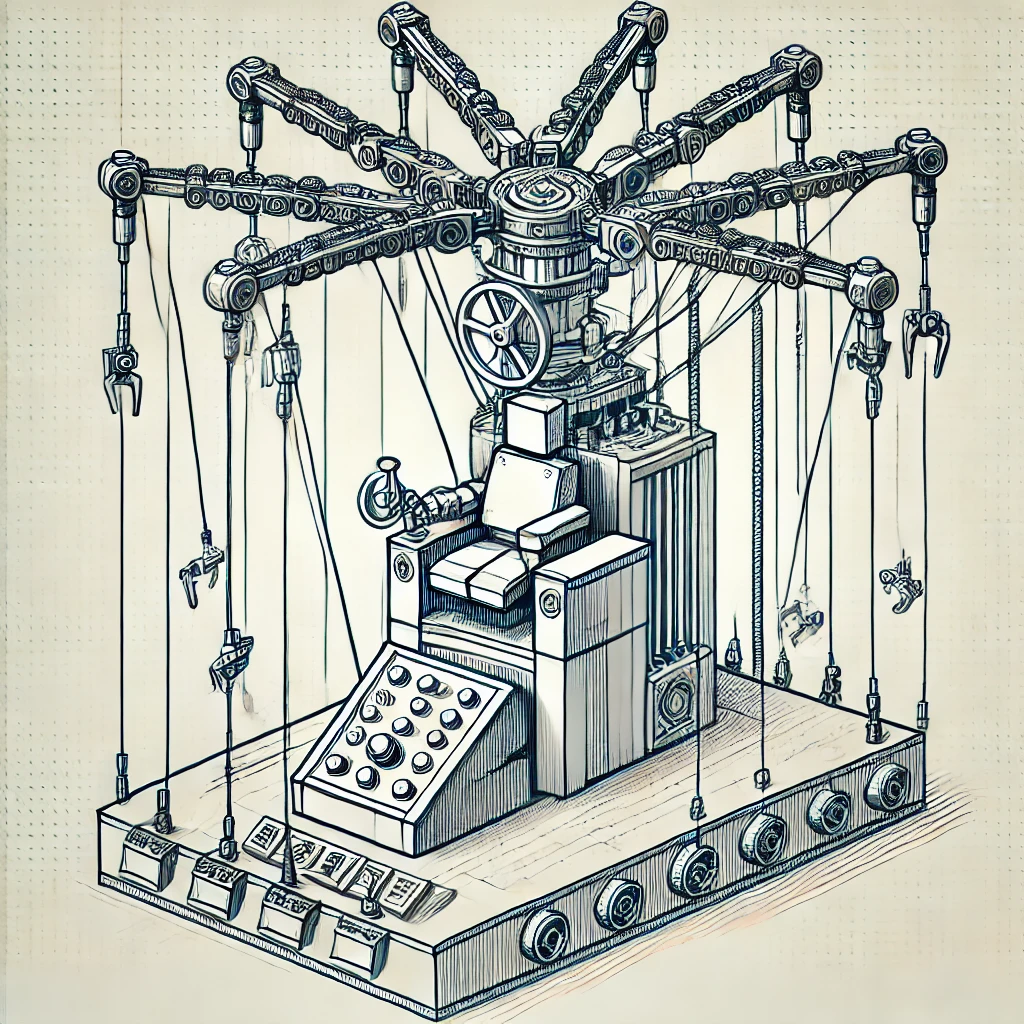
Last but definitely not least is the Controller. This is the orchestrator, the conductor of the symphony. It's the overarching software that coordinates all the components—telling the feeder when to drop more bricks, adjusting the separator's speed, processing images from the classifier, and timing the sorting mechanisms. Developing the controller is a software engineering challenge that requires meticulous planning and robust programming.
Building a brick sorting machine is an intricate endeavor that combines mechanical design, electrical engineering, and software development. Each component presents its own set of challenges, but that's part of the fun. As I continue this journey, I'll be diving deeper into each section, sharing the trials and triumphs along the way. If you've ever thought about tackling a project like this, I hope this gives you a roadmap—or at least a cautionary tale!
Stay tuned for more updates, and happy building!
